Introduction
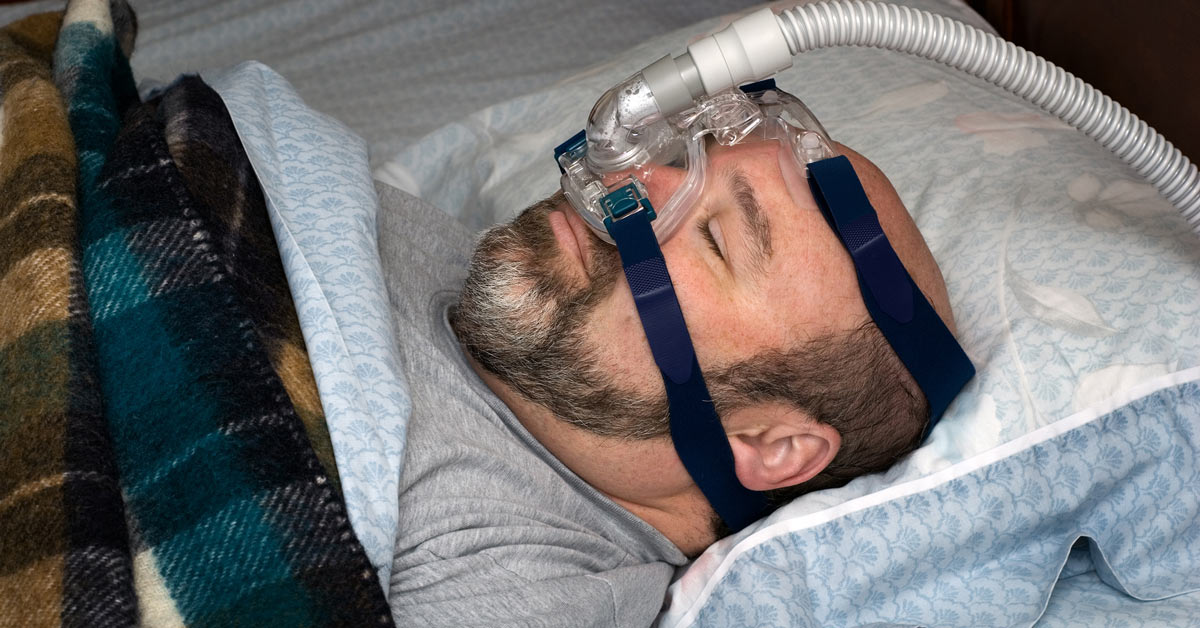
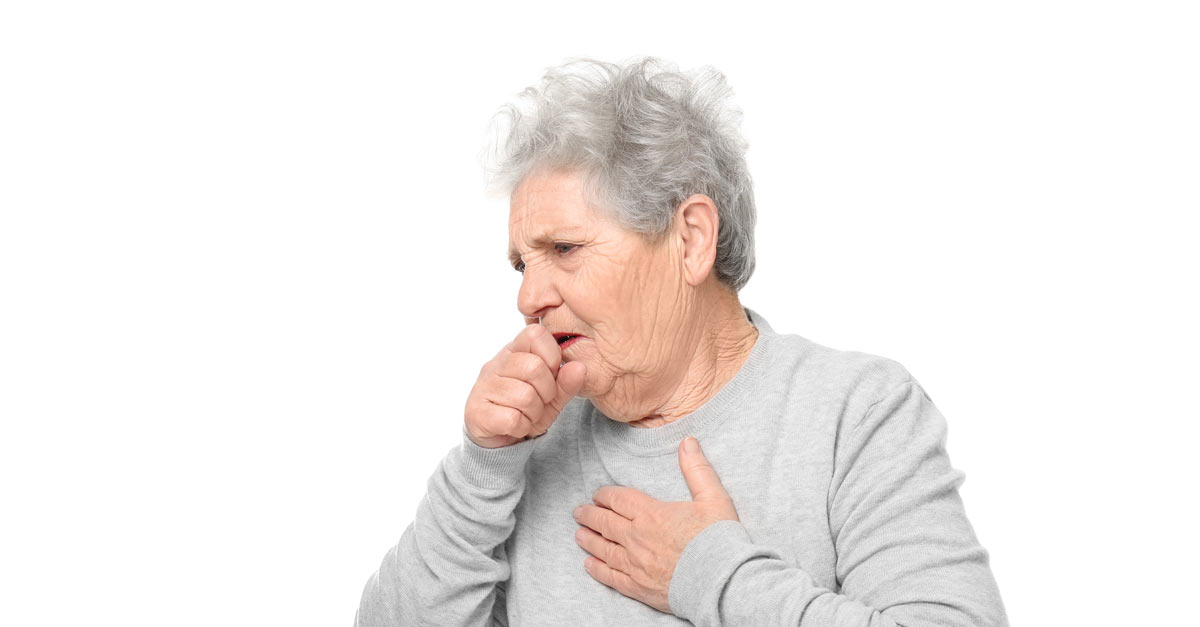
Chronic Obstructive Pulmonary Disease (COPD) is a progressive lung condition that makes
breathing difficult and often requires the use of breathing devices to maintain quality of life. For
some individuals, standard therapies may not be sufficient to meet their respiratory needs,
particularly during sleep or periods of illness. In these cases, advanced devices like RAD with
RATE may offer more effective support.
Understanding RAD with RATE
RAD stands for Respiratory Assist Device. These devices are designed to support individuals
with weakened or compromised breathing by delivering pressure that helps with inhalation and
exhalation. When used correctly, they reduce the effort required to breathe and help keep airways open.
The “RATE” in RAD with RATE refers to a backup respiratory rate, a built-in setting that ensures a minimum number of breaths per minute. If a person’s natural breathing slows or becomes too shallow, the machine will automatically trigger a breath. This can be particularly beneficial for patients who struggle with inconsistent or weakened respiratory effort, especially during sleep.
How it differs from Standard BiPAP
Standard BiPAP (Bilevel Positive Airway Pressure) therapy provides two levels of air pressure,
one for inhalation and a lower one for exhalation. While effective for many, BiPAP devices without a backup rate rely entirely on the user’s breathing. If the user breathes too slowly or stops temporarily, it won’t initiate a breath.
RAD with RATE, however, actively supports breathing by delivering timed breaths when needed. This backup rate adds a layer of support, helping to keep a consistent breathing pattern even during respiratory fatigue or sleep disturbances.
Why It Matters for People with COPD
People with COPD often experience weakened or shallow breathing, especially during flare-ups
or as the disease progresses. RAD with RATE can help by reducing the overall work of breathing, ensuring effective oxygen delivery, and facilitating the clearance of carbon dioxide more efficiently.
Patients frequently report improved comfort, more restful sleep, and a decrease in nighttime symptoms when using a device with a backup rate. It may also help prevent hospitalizations by stabilizing breathing during vulnerable times.
Who Might Benefit
Not everyone with COPD needs RAD with RATE, but it can be especially helpful for those who:
● Experience frequent exacerbations or flare-ups
● Have elevated levels of carbon dioxide in their blood
● Feel fatigued even after using a standard BiPAP device
● Struggle with poor sleep quality or morning headaches
These signs may indicate that standard therapy isn’t meeting their needs, and additional support
could improve outcomes.
When to Talk to a Healthcare Provider
If you or a loved one with COPD is experiencing worsening symptoms, difficulty using current
equipment, or is still feeling tired after using a BiPAP, it may be time to reevaluate the treatment
plan. Questions to ask include:
● Is my current device meeting my breathing needs?
● Would RAD with RATE provide better support during sleep?
● What are the signs that my therapy needs to be adjusted?
RAD with RATE is a specialized option within respiratory care. While it’s not necessary for every
person with COPD, it can make a significant difference for those with more advanced symptoms
or breathing complications. Understanding your options and working closely with your healthcare team ensures that you receive the most appropriate care, supporting both quality of life and long-term respiratory health.
References:
Hill, Nicholas S., Gerard J. Criner, Richard D. Branson, Bartolome R. Celli, Neil R. MacIntyre, and Amen Sergew. “Optimal NIV Medicare Access Promotion: Patients With COPD.” CHEST, November 2021.
Kaminska, Marta, Veronique Adam, and Jeremy E Orr. “Home Noninvasive Ventilation in COPD.” Chest, June 2024. https://pmc.ncbi.nlm.nih.gov/articles/PMC11177097/.
“Respiratory Assist Devices.” Centers for Medicare & Medicaid Services, November 25, 2025. https://www.cms.gov/training-education/medicare-learning-networkr-mln/compliance/medicare-provider-compliance-tips/respiratory-assist-devices.
.png)