What To Know and How To Ask For Help
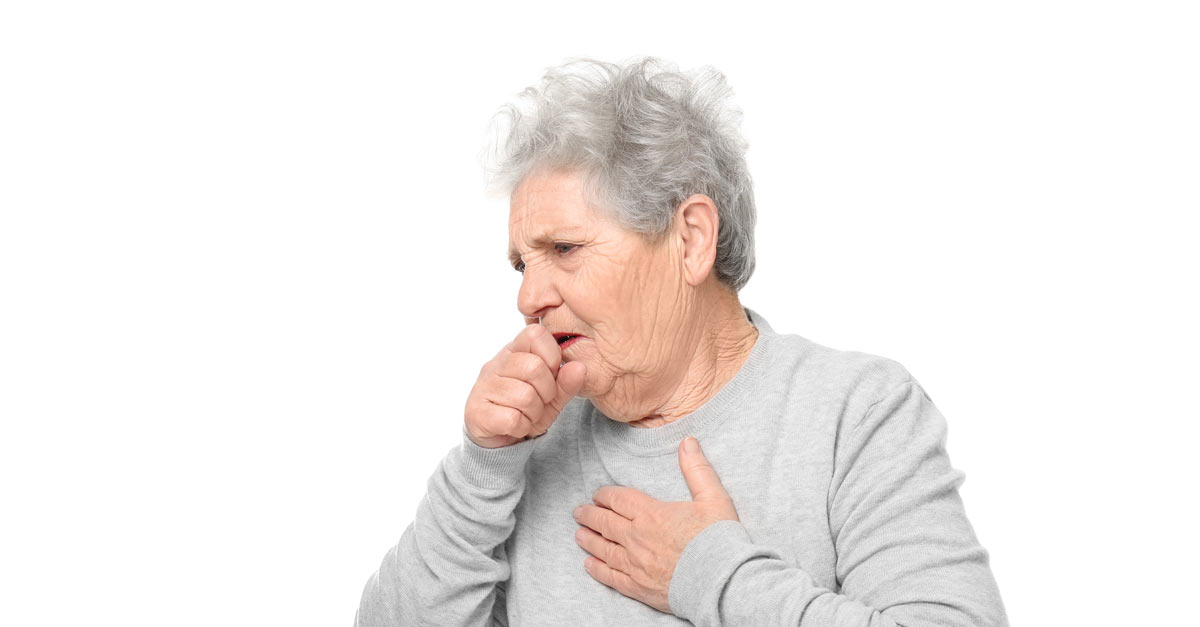
Any chronic breathing condition can place a sustained strain on emotional well‑being. Episodes of severe shortness of breath, emergency visits, or intensive care stays can be frightening and may lead to ongoing fear of becoming breathless again. Over time, you may start to reduce your activity to avoid this sensation, which can cause muscle deconditioning, greater breathlessness and lower mood.
Other features of lung disease also contribute. Night‑time cough, disturbed sleep, or low oxygen can lead to fatigue, irritability and difficulties with concentration during the day. Limits on work, exercise and social roles can increase loneliness and stress, particularly if you feel that others do not understand what living with chronic breathlessness is like.
How Mental Health Influences Breathing and Disease Control
Depression, anxiety and sleep problems are more common in people with chronic respiratory conditions than in the general population. These difficulties do not just sit alongside the lung disease; they can influence how symptoms are experienced and how well the condition is controlled. For example, if you feel very anxious or low in mood, you may notice every small change in breathing and feel shorter of breath at a given level of effort than they would otherwise. Low energy or lack of motivation can make it harder to exercise, attend pulmonary rehabilitation sessions, or use inhalers, oxygen or breathing devices exactly as prescribed. Complex treatment plans may feel overwhelming, which can lead to missed doses or appointments and, in turn, to more flare‑ups and hospital admissions.
Treats That Support Both Lungs and Mental Health
There is strong evidence that certain treatments improve both respiratory symptoms and emotional health. Pulmonary rehabilitation is a structured program that combines supervised exercise, breathing training and education. Those who complete pulmonary rehabilitation often report that they can walk further, feel less breathless during daily activities and experience fewer symptoms of anxiety and depression.
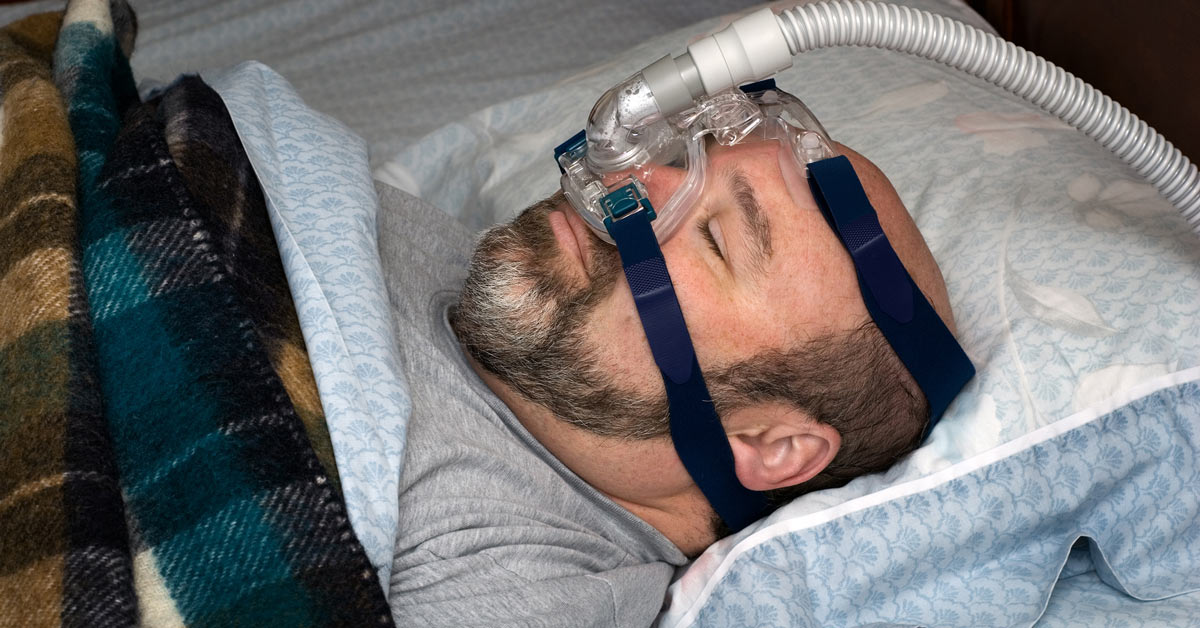
Psychological therapies, particularly cognitive‑behavioral therapy, can be adapted to focus on breathlessness and chronic lung disease. These therapies help people recognize the link between thoughts, feelings, breathing and behavior. They also teach skills to manage panic during breathlessness, replace unhelpful thoughts (for example, “any breathlessness means something terrible is happening”) and reintroduce activity in a gradual and planned way. For people with obstructive sleep apnea, psychological treatment for insomnia delivered before starting continuous positive airway pressure (CPAP) can improve sleep, reduce distress and increase long‑term CPAP use.
Optimizing respiratory treatment often improves mental health as well. Effective CPAP can reduce daytime sleepiness and depressive symptoms in sleep apnea. Modern treatments for conditions such as cystic fibrosis or some forms of fibrotic lung disease can improve day‑to‑day functioning, which may reduce anxiety about the future and improve mood.
Medicines and Possible Effects on Mood and Sleep
Some medicines used for respiratory conditions can affect mental health. Montelukast, a tablet sometimes prescribed for asthma or allergies, has been associated in some people with changes such as agitation, difficulty sleeping, new anxiety or low mood. Steroid tablets, especially at higher doses or for longer periods, can cause irritability, restlessness, poor sleep or sudden changes in mood.
These effects do not occur in everyone, and many people take these medicines without major difficulties. However, if noticeable changes in mood, anxiety levels, behaviors or sleep appear after starting or increasing a respiratory medicine, it is important to inform your doctor. They can weigh the benefits and risks, consider alternative treatments or adjust the dose. It is not advisable to stop steroid tablets or other prescribed medicines without medical advice.
How To Discuss Mental Health With A Respiratory Team
Many people living with chronic lung disease do not raise emotional concerns with their respiratory clinicians. Some feel that low mood or anxiety is an unavoidable part of their illness; others worry that mentioning mental health might lead their physical symptoms to be taken less seriously. In current practice, respiratory teams are increasingly aware that mental health is a key component of comprehensive lung care.
If you feel persistently low, anxious, panicky during breathlessness, or overwhelmed by your treatment plan, it is appropriate to tell your respiratory team and ask what support is available. They may offer brief questionnaires to assess mood and anxiety, refer you to pulmonary rehabilitation, teach breathing and relaxation strategies, adjust your respiratory treatments, or involve professionals such as psychologists, psychiatrists or counsellors who have experience with long‑term medical conditions. Seeking this support is a sign of active self‑management, not a sign of personal weakness.
Practical Steps You Can Take Alongside Professional Care
Along with medical and psychological treatment, there are practical measures that many people find helpful. Regular movement within your current limits, such as short walks or chair‑based exercises, can support both physical function and mood. Using breathing techniques taught by clinicians or in rehabilitation programs can provide a sense of control during episodes of breathlessness and anxiety.
Establishing a consistent sleep routine and working with your team to address symptoms or device issues that disturb sleep, can improve both energy levels and emotional resilience. Staying connected with trusted family members, friends or peer support groups for people with similar respiratory conditions can reduce feelings of isolation and provide practical ideas for coping. Asking for clear, written instructions about your treatment plan can make complex regimens feel more manageable.
You Are Not Alone
Experiencing anxiety, low mood or sleep problems when living with a chronic respiratory condition is common and understandable. These difficulties can influence how the lungs function, how symptoms are perceived and how treatments are used, but they are also amenable to support and treatment. Bringing mental health concerns into the conversation with your respiratory team allows them to be addressed alongside lung function tests, imaging and medications, and can lead to better symptoms, better daily functioning and an improved quality of life.
References:
Qiu, Chang-Jian, and Shuang Wu. “Depression and anxiety disorders in chronic obstructive pulmonary disease patients: Prevalence, disease impact, treatment.” World journal of psychiatry 14,12 1797-1803. 19 Dec. 2024, doi:10.5498/wjp.v14.i12.1797
Witcraft, Sara M., et al. "Anxiety sensitivity and respiratory disease outcomes among individuals with chronic obstructive pulmonary disease." General Hospital Psychiatry69 (2021): 1-6.
Farver-Vestergaard, Ingeborg, et al. "Changes in COPD-related anxiety symptoms during pulmonary rehabilitation: a prospective quantitative and qualitative study." Frontiers in rehabilitation sciences5 (2024): 1428893.
Bhattacharyya, Ranjan et al. “Management of Psychiatric Disorders in Patients with Respiratory Diseases.” Indian journal of psychiatry 64,Suppl 2 (2022): S366-S378. doi:10.4103/indianjpsychiatry.indianjpsychiatry_25_22
Siraj, Rayan A. “COPD and Comorbid Mental Health: Addressing Anxiety, and Depression, and Their Clinical Management.” Medicina (Kaunas, Lithuania) 61,8 1426. 7 Aug. 2025, doi:10.3390/medicina61081426
Mustafa, Amun et al. “High Prevalence of Depression and Anxiety in Patients with Chronic Respiratory Diseases Admitted to Intensive Care in a Low-Resource Setting.” Advances in respiratory medicine 93,3 12. 2 Jun. 2025, doi:10.3390/arm93030012
Wang, Jing Gennie, et al. "Clinical characteristics of patients with COPD and comorbid depression and anxiety: data from a national multicenter cohort study." Chronic Obstructive Pulmonary Diseases: Journal of the COPD Foundation1 (2025): 33.
Harrigan, Maggie et al. “Psychosocial and mental health in cystic fibrosis in the modern era of care: time to evolve.” BMJ open respiratory research 12,1 e002606. 10 Feb. 2025, doi:10.1136/bmjresp-2024-002606
Sohanpal, Ratna et al. “A tailored psychological intervention for anxiety and depression management in people with chronic obstructive pulmonary disease: TANDEM RCT and process evaluation.” Health technology assessment (Winchester, England) 28,1 (2024): 1-129. doi:10.3310/PAWA7221
Wintzell, Viktor et al. “Montelukast Use and the Risk of Neuropsychiatric Adverse Events in Children.” JAMA pediatrics 179,4 (2025): 418-427. doi:10.1001/jamapediatrics.2024.5429
Brown, E Sherwood, and Patricia A. Chandler. “Mood and Cognitive Changes During Systemic Corticosteroid Therapy.” Primary care companion to the Journal of clinical psychiatry 3,1 (2001): 17-21. doi:10.4088/pcc.v03n0104
Yohannes, Abebaw M., Mary Newman, and Mark E. Kunik. "Psychiatric collaborative care for patients with respiratory disease." Chest6 (2019): 1288-1295.
Wood, Angela R et al. “Motivational Interviewing and Chronic Care Management Using the Transtheoretical Model of Change.” Health & social work 48,4 (2023): 271-276. doi:10.1093/hsw/hlad020
v1.jpg?width=888&height=298&name=AD-Sleep-Opt-in-Pop-Up%20(12-25-Rove%206%20Package-NY)v1.jpg)