What You Can Do to Stay Protected Through Seasonal Changes
Seasonal transitions often bring unpredictable weather patterns. Cold mornings could give way to warm afternoons, and indoor heating systems cycle on and off as temperatures fluctuate. While these changes may seem minor, they can place stress on the respiratory system. For individuals with asthma, chronic obstructive pulmonary disease, or other chronic lung conditions, shifting temperatures can trigger airway tightening, increase inflammation, and lead to uncomfortable symptom flare-ups. Understanding why this happens and how to protect your airways can help maintain stability and prevent complications.
Why Temperature Swings Stress the Airways
The respiratory system is susceptible to environmental changes. Cold morning air can cause bronchospasm, a tightening of the muscles surrounding the airways. This constriction narrows airflow and may result in coughing, chest tightness, or shortness of breath shortly after stepping outside.
Rapid transitions between cold outdoor air and warm indoor environments can further irritate sensitive airways. The sudden shift in temperature and humidity levels challenges the ability to regulate airway moisture and inflammation.
Whether from cold outdoor conditions or heated indoor spaces, low humidity reduces the natural moisture that lines the airways. When this protective barrier becomes dry, irritation and inflammation increase. For patients with underlying respiratory conditions, this can lead to more frequent wheezing, persistent coughing, and increased breathlessness throughout the day. If you use a humidifier, keep indoor humidity to about 30–50% and clean the device regularly to avoid mold or bacterial growth.
The Risk of Lying Down with Unmanaged Symptoms
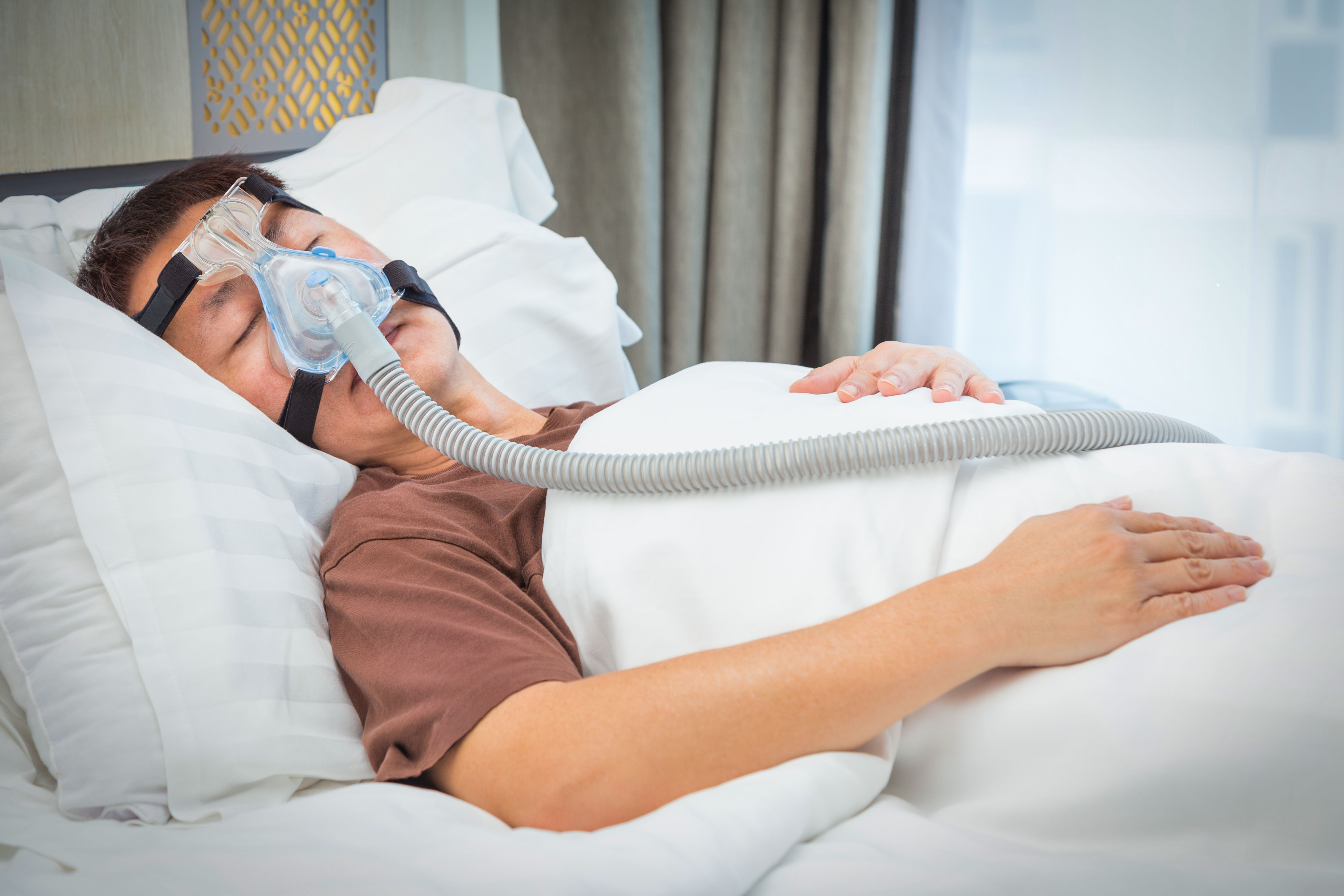
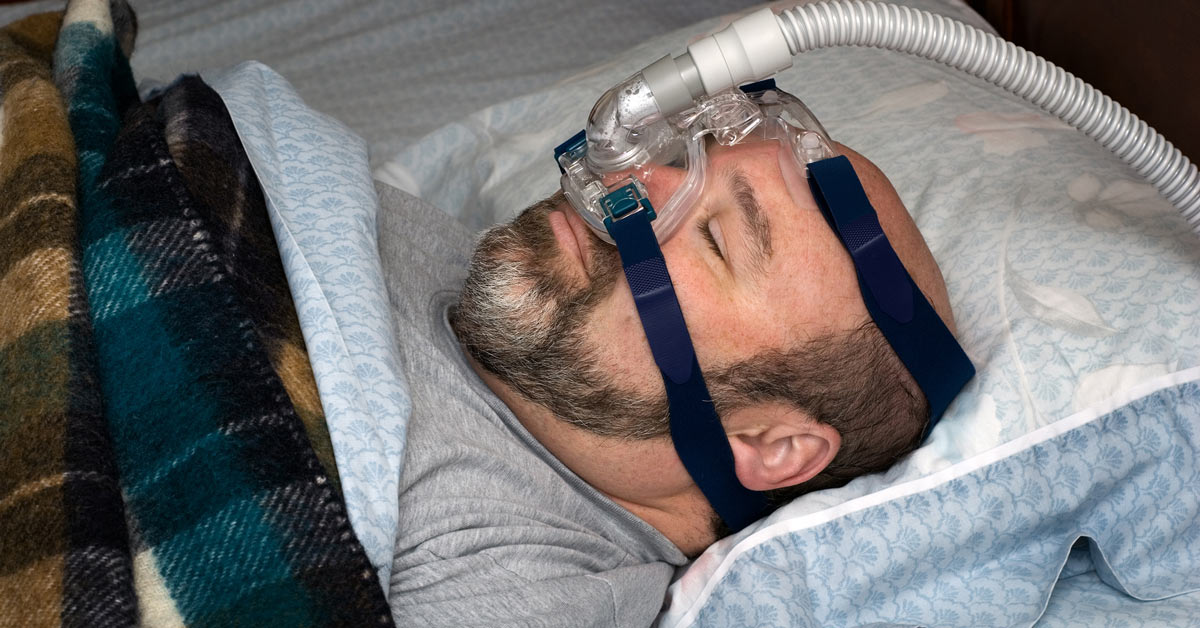
When respiratory symptoms are not managed during the day, they often worsen at night. Lying down can increase airway resistance and make breathing feel more labored. Untreated inflammation may disrupt sleep quality and, in some cases, affect oxygen levels.
Maintaining consistent use of prescribed nighttime medications supports safer, more restful sleep. Managing symptoms before bedtime helps reduce nighttime awakenings and prevents minor irritations from escalating into more serious exacerbations.
Turning Your Bedroom into a Sleep Sanctuary
Improving sleep doesn’t always require medical intervention. Often, it begins with creating a more sleep-friendly environment. Cool temperatures, minimal light, and reduced noise levels help signal to the body that it’s time to rest.
Another key element is reducing screen time before bed. The blue light from phones, tablets, and TVs interferes with your body’s melatonin production, the hormone that helps you fall asleep. Turning off screens at least an hour before bedtime allows your body to wind down and transition into rest mode naturally.
The Importance of Timely Medication Use
Medication adherence becomes vital during seasonal transitions. Skipping or delaying doses can increase airway sensitivity and leave the lungs more vulnerable to environmental triggers. Maintenance inhalers and other medications help to reduce inflammation over time and work best when taken consistently, not only during flare-ups.
Establishing reminders or incorporating medication use into a daily routine can help maintain consistency. Even when symptoms appear mild, staying on track with prescribed therapy helps protect the airways from underlying inflammation that may not be immediately noticeable.
Practical Steps to Protect Your Airways
Simple protective measures can reduce irritation during temperature swings. Covering your nose and mouth with a scarf or mask when outdoors in cold air helps warm and humidify the air before it reaches your lungs. Indoors, using a humidifier can restore moisture to dry environments and ease airway irritation.
If engaging in outdoor activity, warming up gradually allows your respiratory system time to adjust. Sudden exertion in cold air can intensify bronchospasm, while a steady progression helps the lungs adapt more comfortably.
Seasonal temperature swings are common, but airway flare-ups do not have to be. By recognizing how shifting weather affects the respiratory system and taking proactive steps to protect it, patients can reduce inflammation and prevent exacerbations. Consistent medication use, thoughtful environmental adjustments, and attention to early symptoms all contribute to more stable breathing. As seasons change, reviewing your medication schedule and airway protection habits can help ensure greater comfort and confidence throughout both day and night.
.jpg?width=888&height=298&name=AD-Sleep-Opt-in-Pop-Up_2025-v6_legaldraft%20(12.25-NewYear).jpg)
References
Agusti, A, J Hedner, JM Marin, F Barbé, M Cazzola, and S Rennard. “Night-Time Symptoms: A Forgotten Dimension of COPD.” European respiratory review : an official journal of the European Respiratory Society, September 1, 2011. https://pmc.ncbi.nlm.nih.gov/articles/PMC9584119/.
Donaldson, Gavin C, and Jadwiga A Wedzicha. “The Causes and Consequences of Seasonal Variation in COPD Exacerbations.” International journal of chronic obstructive pulmonary disease, October 6, 2014. https://pmc.ncbi.nlm.nih.gov/articles/PMC4199860/.
Hansel, Nadia N, Meredith C McCormack, and Victor Kim. “The Effects of Air Pollution and Temperature on COPD.” COPD, December 18, 2015. https://pmc.ncbi.nlm.nih.gov/articles/PMC4878829/.