What You Can Do to Stay on Track with Therapy
Twice a year, many regions adjust their clocks for daylight saving time, either moving forward in the spring or back in the fall. While the change may seem small, even a one-hour shift can affect the body’s natural sleep rhythm. For people living with sleep apnea, these adjustments can temporarily disrupt sleep patterns and make symptoms more noticeable.
Sleep apnea already interrupts normal sleep cycles through repeated pauses in breathing. When daylight saving time alters your routine, it can further challenge your body’s internal clock. Understanding how these changes affect sleep and knowing how to prepare for them can help protect sleep quality and keep therapy on track.
How Time Changes Disrupt Sleep
The body follows a natural circadian rhythm, often called the internal clock, that regulates sleep and wake cycles. This rhythm responds to consistent cues such as light exposure, bedtime routines, and regular wake-up times. When the clocks shift forward or backward, that rhythm can become temporarily misaligned.
In the spring, losing an hour of sleep may leave people feeling groggy and less rested. Even in the fall, when an extra hour is gained, the sudden change can still disrupt established sleep patterns. The body often needs several days to adjust to a new schedule.
These disruptions can lead to difficulty falling asleep, waking up during the night, or feeling unusually tired during the day. For individuals already managing sleep disorders, the transition may feel even more noticeable.
Why This Matters for Sleep Apnea
For people with sleep apnea, maintaining consistent sleep habits is an important part of effective treatment. Daylight saving time can interfere with this consistency, especially if bedtime or wake time shifts suddenly.
When sleep schedules are disrupted, individuals may experience increased daytime fatigue or sleepiness. Because untreated sleep apnea already reduces the amount of restorative sleep the body receives, even a small disruption can amplify symptoms such as brain fog, irritability, and reduced concentration.
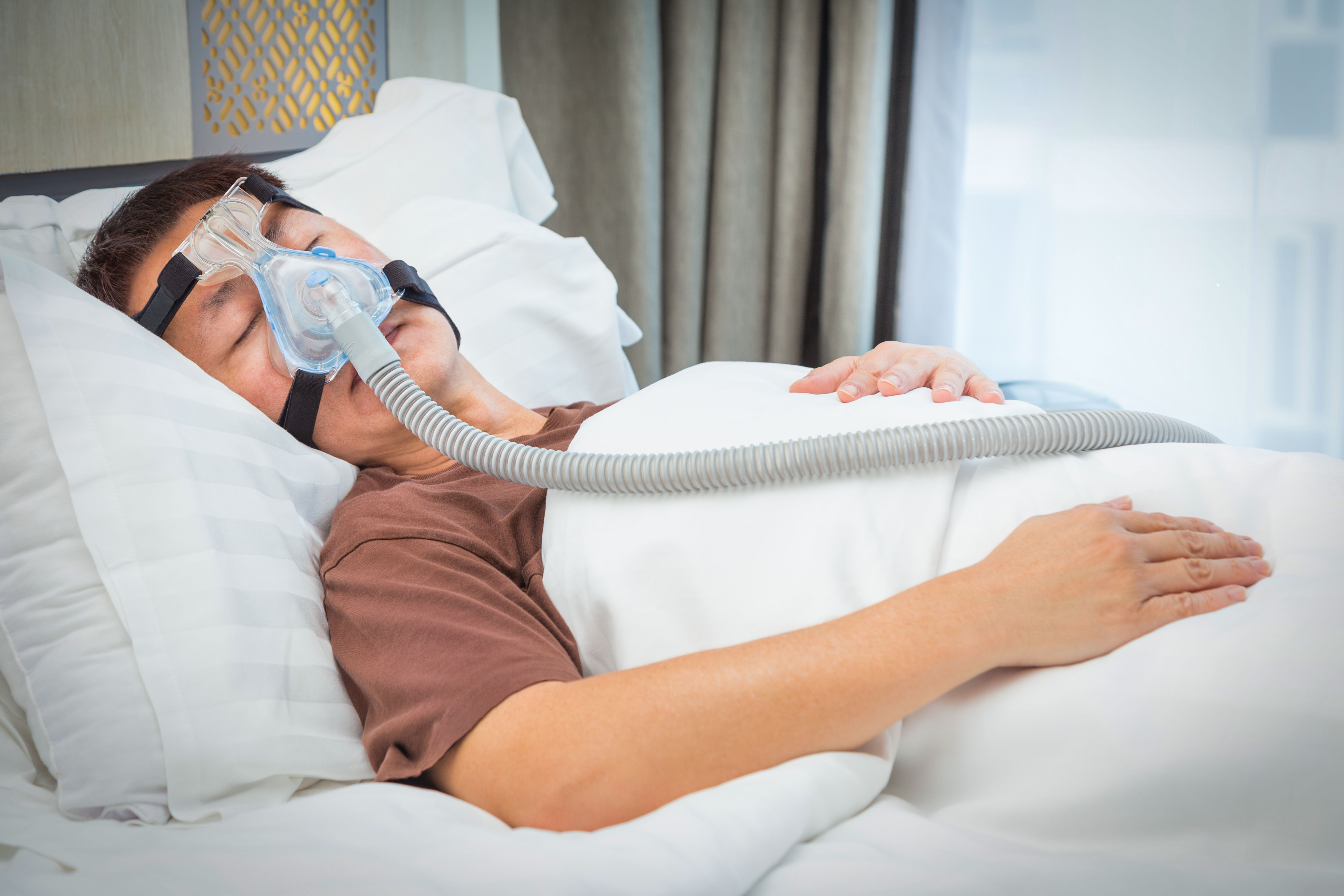
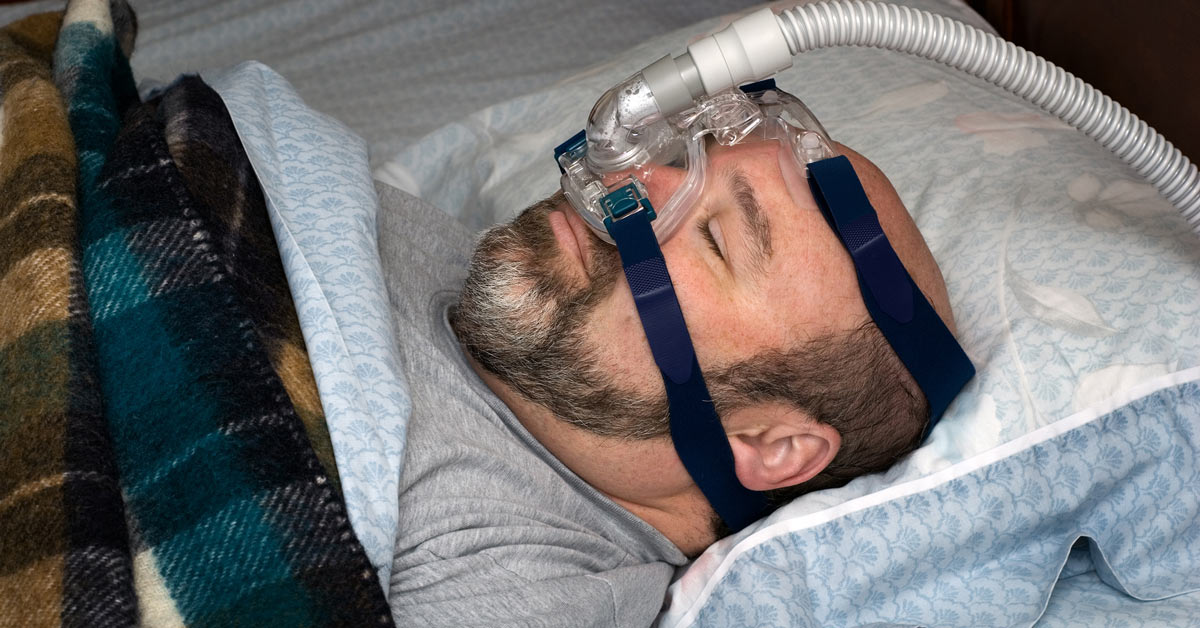
Changes in routine can also affect CPAP therapy habits. If someone goes to bed later than usual or falls asleep outside of their normal routine, they may forget to use their device or remove it during the night. Consistency with CPAP therapy is essential because it helps keep the airway open and supports uninterrupted breathing throughout sleep.
Tips to Adjust to Daylight Saving Time
Fortunately, a few simple adjustments can help make the transition smoother. Gradually shifting your bedtime and wake time by about fifteen to twenty minutes in the days leading up to the time change can help your body adapt more comfortably. This gradual approach allows the circadian rhythm to adjust naturally rather than abruptly.
Maintaining a consistent CPAP routine is also important. Regardless of the clock change, continuing to use your device every night supports stable breathing and protects sleep quality. Keeping your equipment clean and comfortable can also help encourage consistent use during schedule adjustments.
Creating a relaxing bedtime routine can further support the transition. Activities such as reading, light stretching, or practicing calm breathing exercises help signal to the body that it is time to wind down. Limiting screen use before bed and keeping the bedroom environment quiet and comfortable can also promote better sleep.
When to Talk to Your Doctor
While temporary sleep disruptions are common during daylight saving time changes, ongoing difficulties should not be ignored. If you experience persistent fatigue, worsening sleep quality, or discomfort while using your CPAP device, consult your healthcare provider.
Your doctor or respiratory therapist can evaluate your therapy settings, ensure your equipment fits properly, and address any concerns that may be affecting your sleep. Learn more about sleep apnea symptoms and risk factors here to better understand what to watch for. Early adjustments can prevent long-term disruptions and help restore consistent rest.
Daylight saving time may only shift the clock by one hour, but it can have a noticeable effect on sleep routines. For individuals managing sleep apnea, maintaining consistent habits and therapy use is key to minimizing the impact of these seasonal changes.
By gradually adjusting your schedule, continuing CPAP therapy each night, and prioritizing healthy sleep habits, you can help your body adapt more easily. Small adjustments before and after the time change can make a meaningful difference in maintaining restful sleep and managing sleep apnea symptoms.
Learn more about Apria's Sleep Care Program and how we can help you along your journey to better sleep.
.jpg?width=888&height=298&name=AD-Sleep-Opt-in-Pop-Up_2025-v6_legaldraft%20(12.25-NewYear).jpg)
References
Bai, Nina. “Study Suggests Most Americans Would Be Healthier without Daylight Saving Time.” News Center, September 15, 2025. https://med.stanford.edu/news/all-news/2025/09/daylight-saving-time.html.
Chaput, JP, C Dutil, R Featherstone, R Ross, L Giangregorio, TJ Saunders, I Janssen, et al. “Sleep Timing, Sleep Consistency, and Health in Adults: A Systematic Review.” Applied physiology, nutrition, and metabolism = Physiologie appliquee, nutrition et metabolisme, October 2020. https://pubmed.ncbi.nlm.nih.gov/33054339/.
Harrison, Y. “The Impact of Daylight Saving Time on Sleep and Related Behaviours.” Sleep medicine reviews, August 17, 2013. https://pubmed.ncbi.nlm.nih.gov/23477947/.
Stražišar, L, and BG Stražišar. “Daylight Saving Time: Pros and Cons.” Sleep medicine clinics, September 16, 2021. https://pubmed.ncbi.nlm.nih.gov/34325828/.